
Save yourself.
Save each other.
COVID-19 hospital offers a range of services focused on the management, treatment and prevention of this disease.
+1 123 456 78 90
0
Affected Countries
0
Confirmed Cases
0
Recovered Cases
0
Worldwide Deaths
About Covid-19
What is COVID-19?
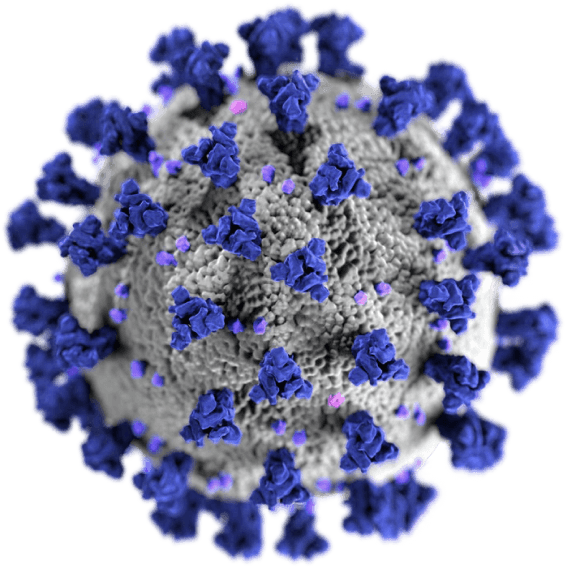
Also known as the coronavirus, it is an infectious disease caused by the SARS-CoV-2 coronavirus. It was first identified in December 2019 in Wuhan City, Hubei Province, China, and has since spread globally, leading to a pandemic.
Covid-19 Symptoms
What are the symptoms
of COVID-19?
01.
Fever
Increase in body temperature above normal, usually indicative of the body fighting an infection.
02.
Tiredness
A feeling of extreme fatigue or exhaustion, not relieved by rest, reflecting the body’s fight against the virus.
03.
Dry Cough
A persistent cough without mucus production, which often irritates the throat and can be exhausting.
04.
Shortness of Breath
Trouble breathing or feeling short of breath, a serious symptom that may require immediate medical attention.
05.
Loss of Smell or Taste
A reduction or complete loss of these sensations, which may occur without nasal congestion.
06.
Sore Throat
Inflammation and discomfort in the throat, a common symptom that often accompanies respiratory infections.
Ours Services
01.
Triage and Initial Evaluation
Evaluation of symptoms and severity of illness in patients suspected of having COVID-19. Diagnostic tests, such as PCR and rapid tests, to confirm the presence of the virus.
02.
Medical Treatment
Management of mild to moderate symptoms of COVID-19 in patients not requiring hospitalization. Intensive treatment for severe cases, including respiratory support such as oxygen therapy and mechanical ventilation.
03.
Intensive Care Units (ICU)
Intensive care for critically ill COVID-19 patients, with specialized equipment and medical staff trained to manage severe complications.
04.
Isolation and Infection Control
Isolation areas to prevent the spread of the virus within the hospital and to the community. Strict infection control protocols to protect both patients and medical staff.
05.
Support and Rehabilitation Services
Psychological support services for patients and families affected by the impact of COVID-19. Rehabilitation programs for patients recovering from long-term effects of the virus, such as muscle weakness or respiratory problems.
06.
Research and Participation in Clinical Trials
Participation in clinical trials to test the efficacy of new treatments or vaccines against COVID-19. Data collection and
data and analysis to improve the understanding and treatment of the disease.
07.
Education and Prevention
Educational programs for patients, families, and the community on COVID-19 prevention and management. Distribution of updated information on preventive measures, vaccination, and changes in public health guidelines.
08.
Telemedicine and Virtual Consultations
Remote consultations for patients with mild symptoms, allowing treatment and follow-up without the need for face-to-face visits. Use of digital platforms to monitor patients in recovery and reduce the risk of contagion.
09.
Vaccination
Administration of COVID-19 vaccines as part of community-level prevention efforts.
Animal Contact
Personal Contact
Air Transmission
Contaminate Object
Covid-19 Contagion
How does COVID-19
Spread?
As the world continues to fight this pandemic, it is essential to be informed about how the virus spreads.
-
Transmission by respiratory droplets -
Contaminated surfaces
Covid-19 Prevention
Take steps to protect yourself
These measures not only protect you, but also the people around you, especially those who may be more vulnerable to serious diseases.

Stay at home
Avoid close contact with people who are sick.
Keep a distance of at least 2 meters (about two arm’s lengths) between you and other people who do not live in your home, especially in public spaces.

Cover caugh & sneezes
If you are not wearing a mask, remember to cover your mouth and nose with a tissue or the inside of your elbow when coughing or sneezing.
Discard used tissues in the trash
used tissues in the trash and wash your hands immediately.

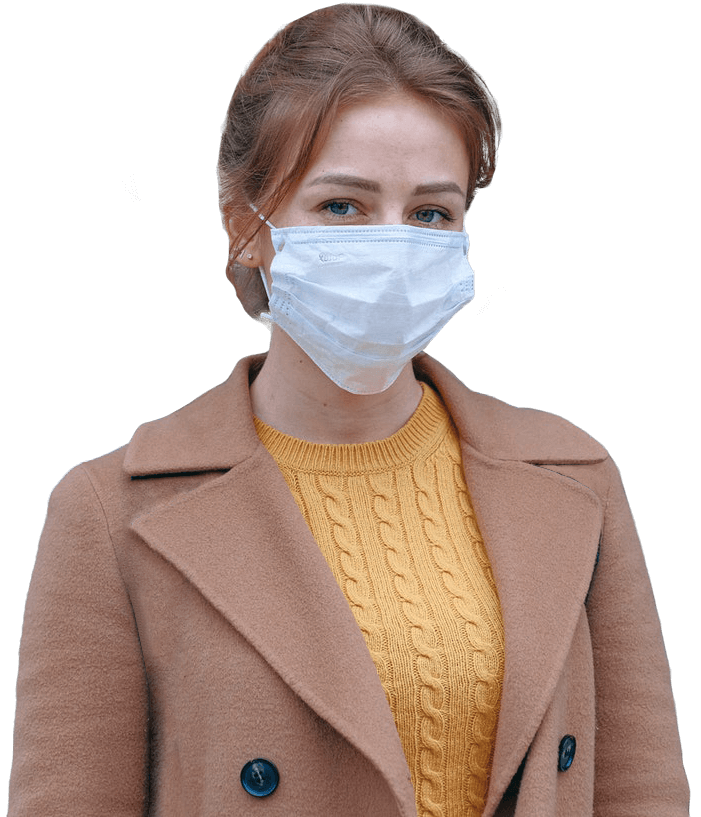
Wear a facemask
Cover your mouth and nose with a mask when in public, especially in situations where social distance is difficult to maintain.
Remember that masks are not a substitute for social distance.

Clean & disinfectant
Use soap and water and wash your hands for at least 20 seconds, especially after being in a public place, or after blowing your nose, coughing or sneezing.
If you do not have access to soap and water, use a hand sanitizer containing at least 60% alcohol.